Skip to content

3D printing & additive manufacturing · Brisbane

Printed to be used,not just looked at.

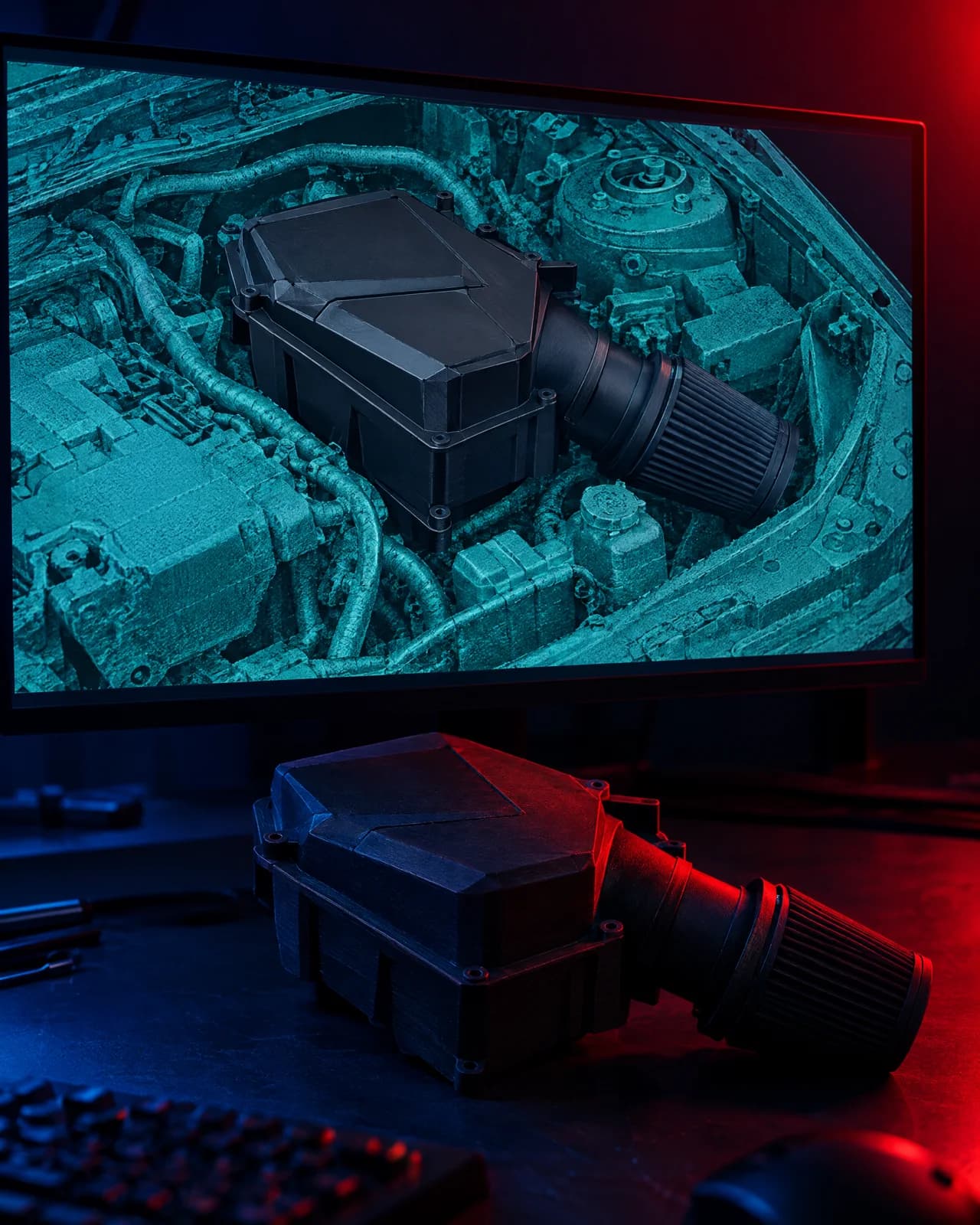
Additive manufacturing for parts that live in engine bays — prototypes, fitment checks, low-volume production and final-use components. Engineering-grade materials chosen per part, not a one-size filament.
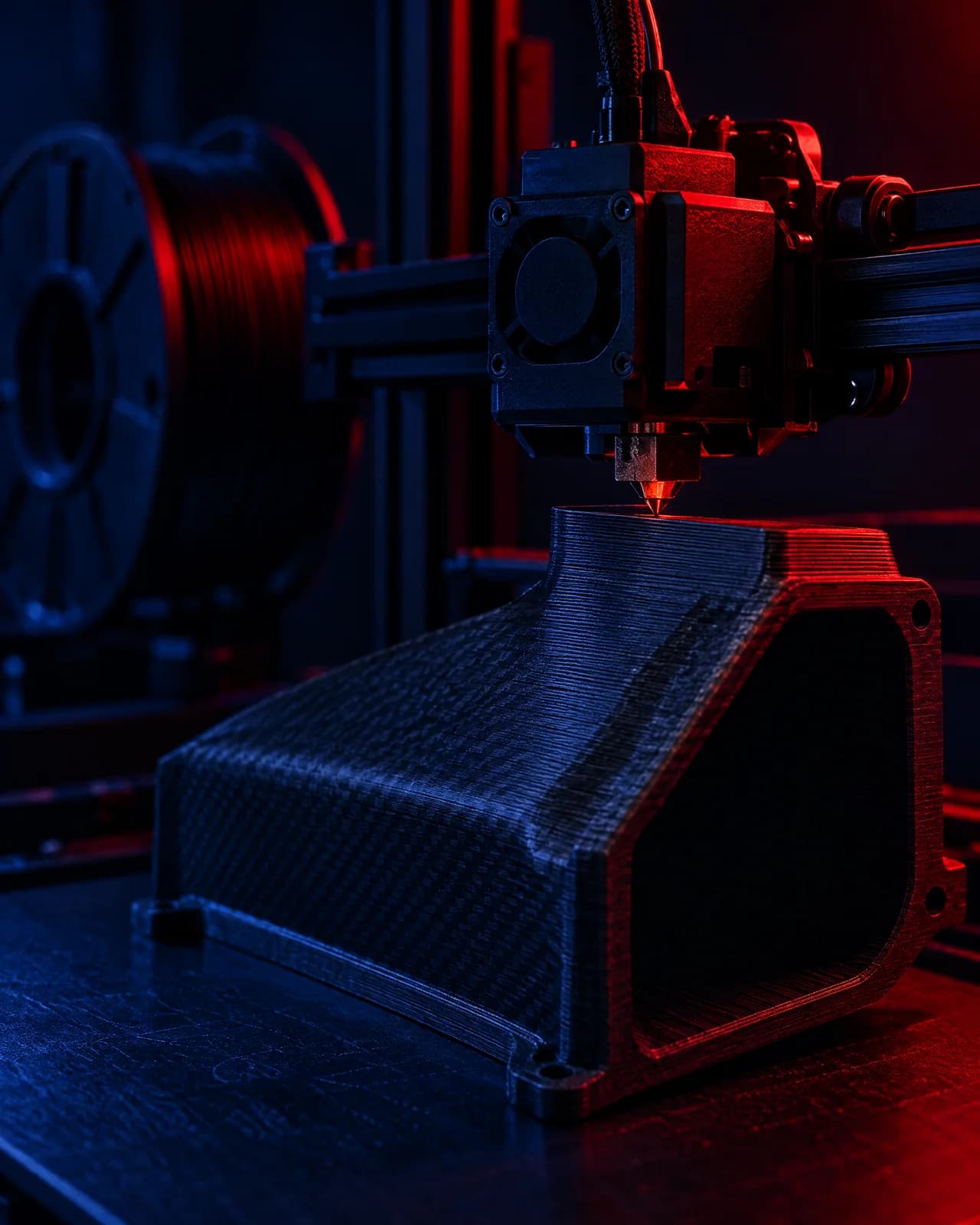
Industrial 3D printer laying down a black carbon-fibre part under a red key lightAdditive manufacture · Brendale

How it works

What happens, in order.

  1. 01

    Send the file, or start from a scan

    STEP or STL from your CAD. No CAD yet? See scanning and CAD design — we'll get there.

  2. 02

    Material and orientation

    We pick the material for the heat, load and flex the part will see, and set it up to print strong where it matters.

  3. 03

    Print, finish, check

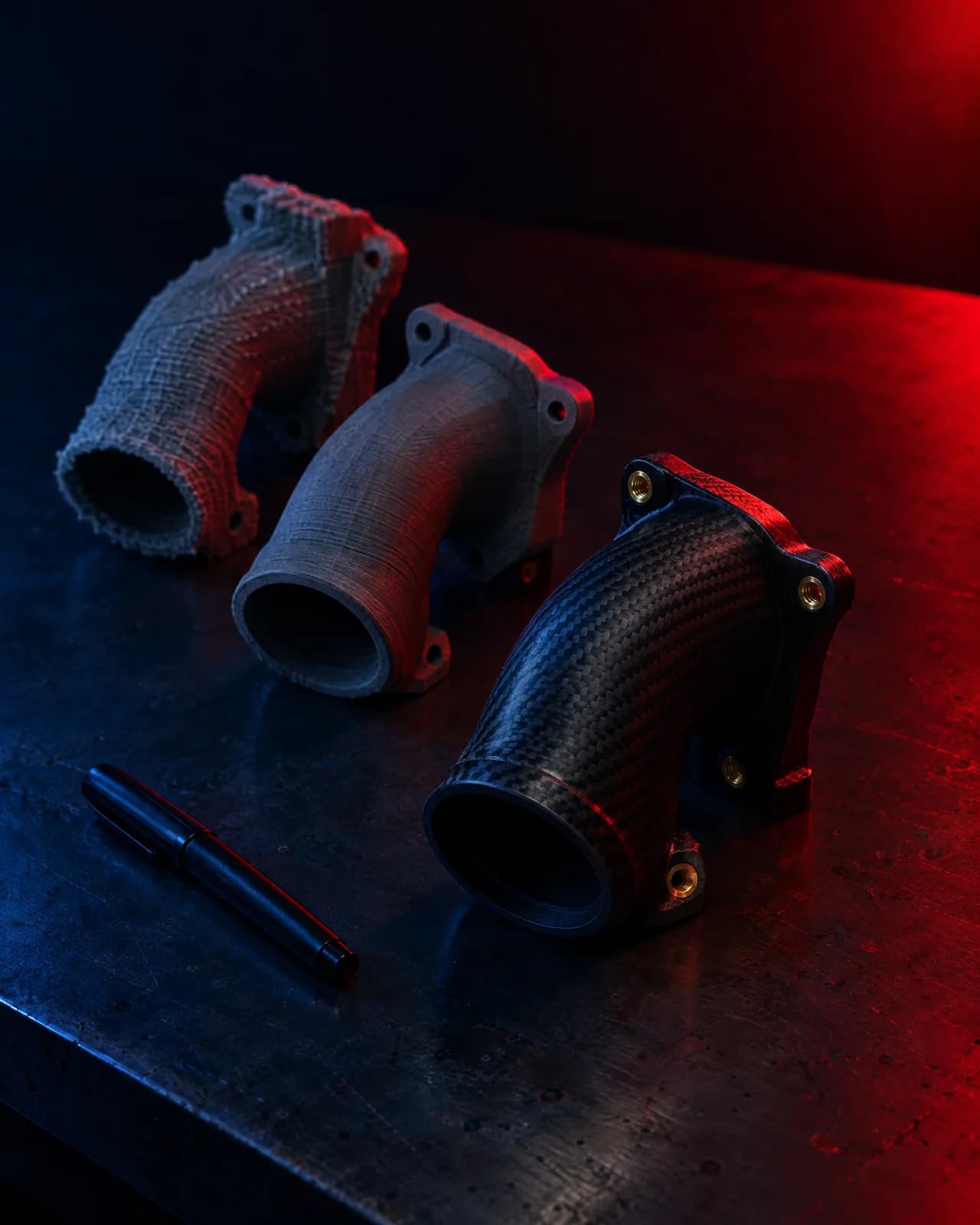
    Heat-set inserts, clear polycarbonate lids, hardware — fitted here. Dimensions checked against the file.

  4. 04

    Fit, then repeat

    On the car for validation. Once approved, the same file prints the same part next month.
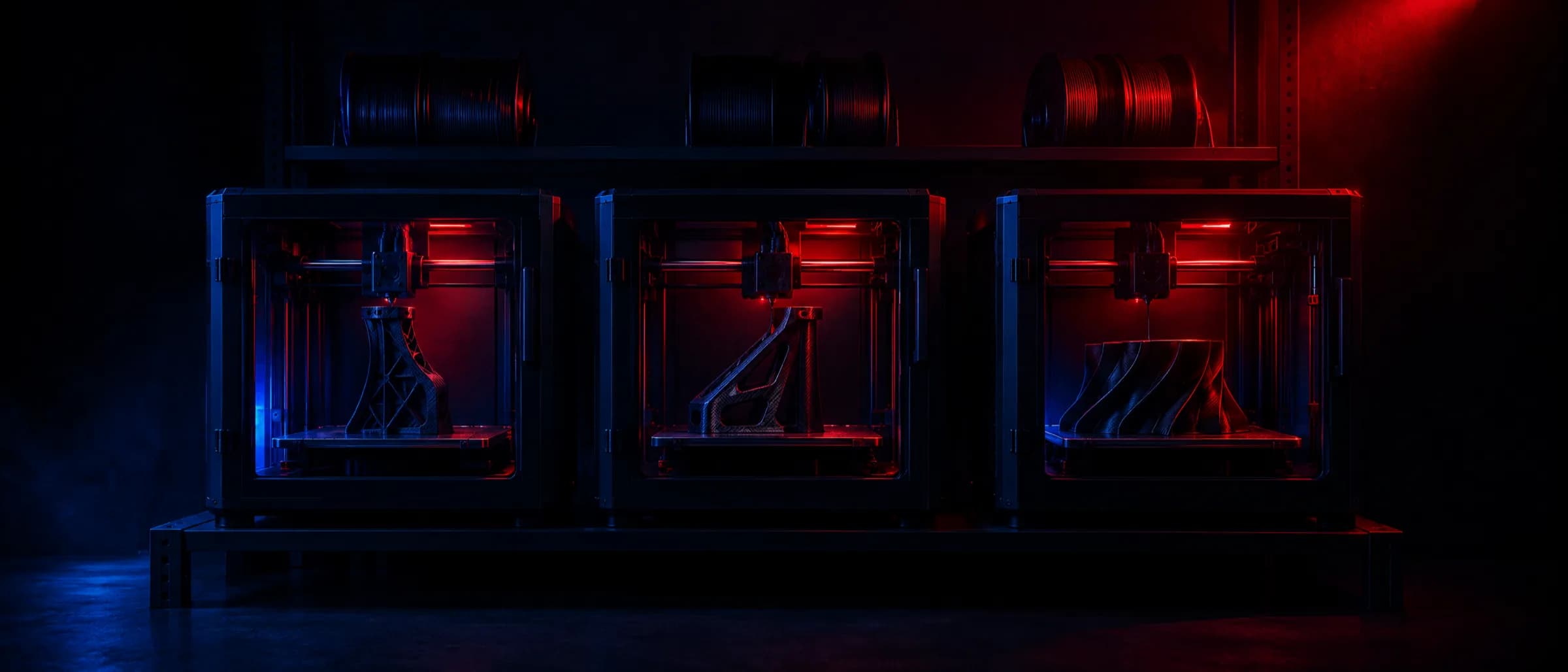
Three industrial 3D printers running in a dark room, black carbon-fibre parts mid-print

3D printing

Engineering-grade materials, printed to be used.

Is this the right job for us?

Good fit, and what we’ll point elsewhere.

Good fit

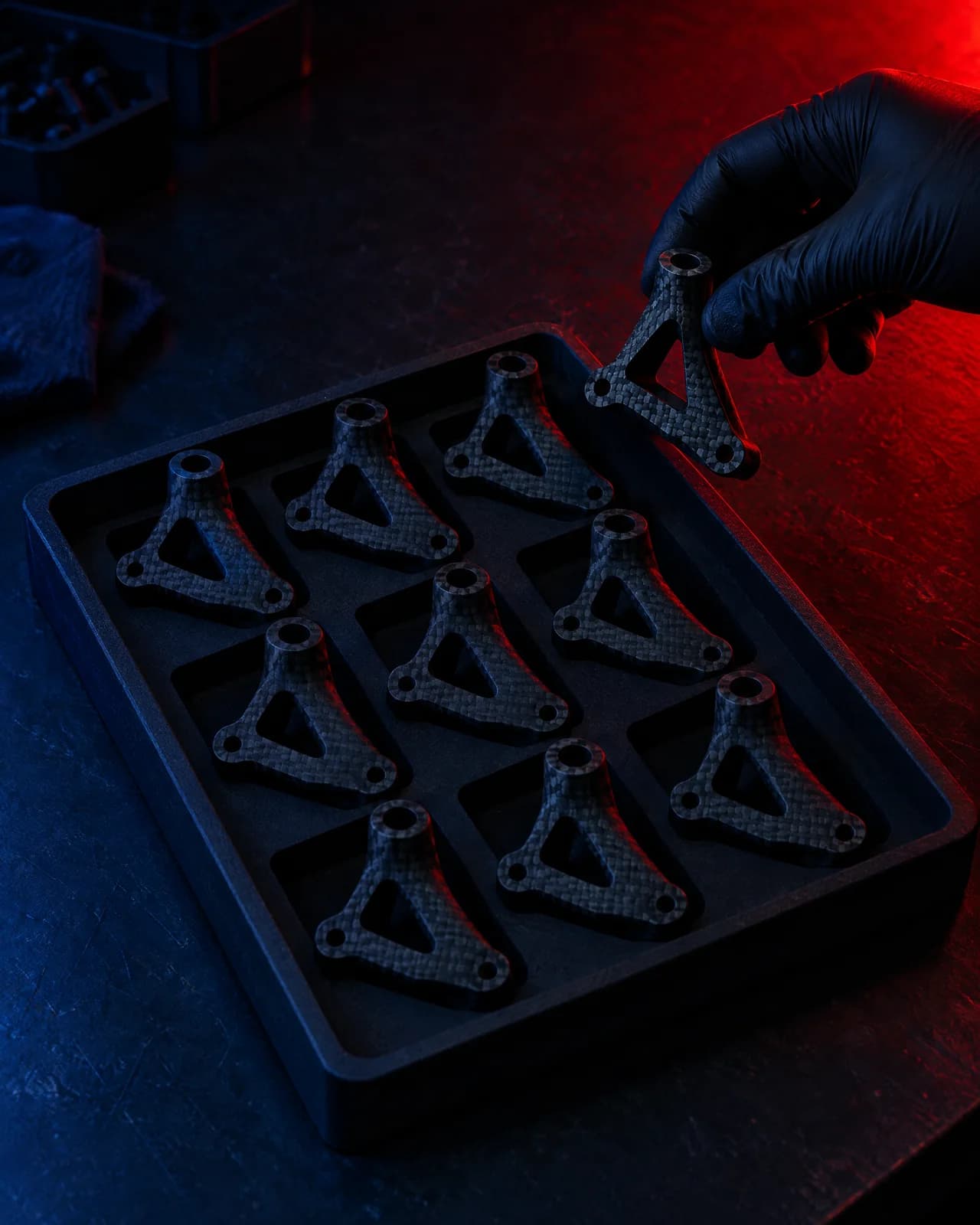
  • Intake and airbox components, brackets, ducts, adaptors, interface parts
  • Functional prototypes that need to bolt on and be tested
  • Repeat parts for a workshop or product business
  • Non-automotive engineered components that suit the process
  • Metal printing, for parts that need to be metal

Not what we’re for

  • Decorative prints, figurines and hobby jobs — there are cheaper places for that
Materials
PC-CF, polycarbonate, TPU, ASA, high-temp nylons
Finishing
Brass heat-set inserts, polycarbonate lids, assembly
Volumes
One-off through low-volume production
Metal parts
Metal printed, or laser cut and powder coated

Questions

Asked before you ask.

Will a printed part hold up next to an engine?
With the right material, yes — our own airboxes are printed in PC-CF for exactly that reason. We match material to the temperature, load and vibration the part will see. We don't apply one material's rating to every part.
Can you print my design?
Yes. Send a STEP or STL and a note on what it does and where it lives. If it needs changes to print well or to survive its job, we'll say so before printing.
Do you do production runs?
Low-volume, yes. Once a part is approved the file is locked and repeat orders print to it. For higher volumes we'll tell you honestly whether printing is still the right process.
Do you print in metal?
Yes. Where a part needs to be metal it can be metal printed, or designed for laser cutting, folding or machining — then finished and assembled here.

Next step

Get a print quoted.

Send the file or describe the part — we'll come back with material and price.