Skip to content

Rapid prototyping

A physical part in days.Then the next one.

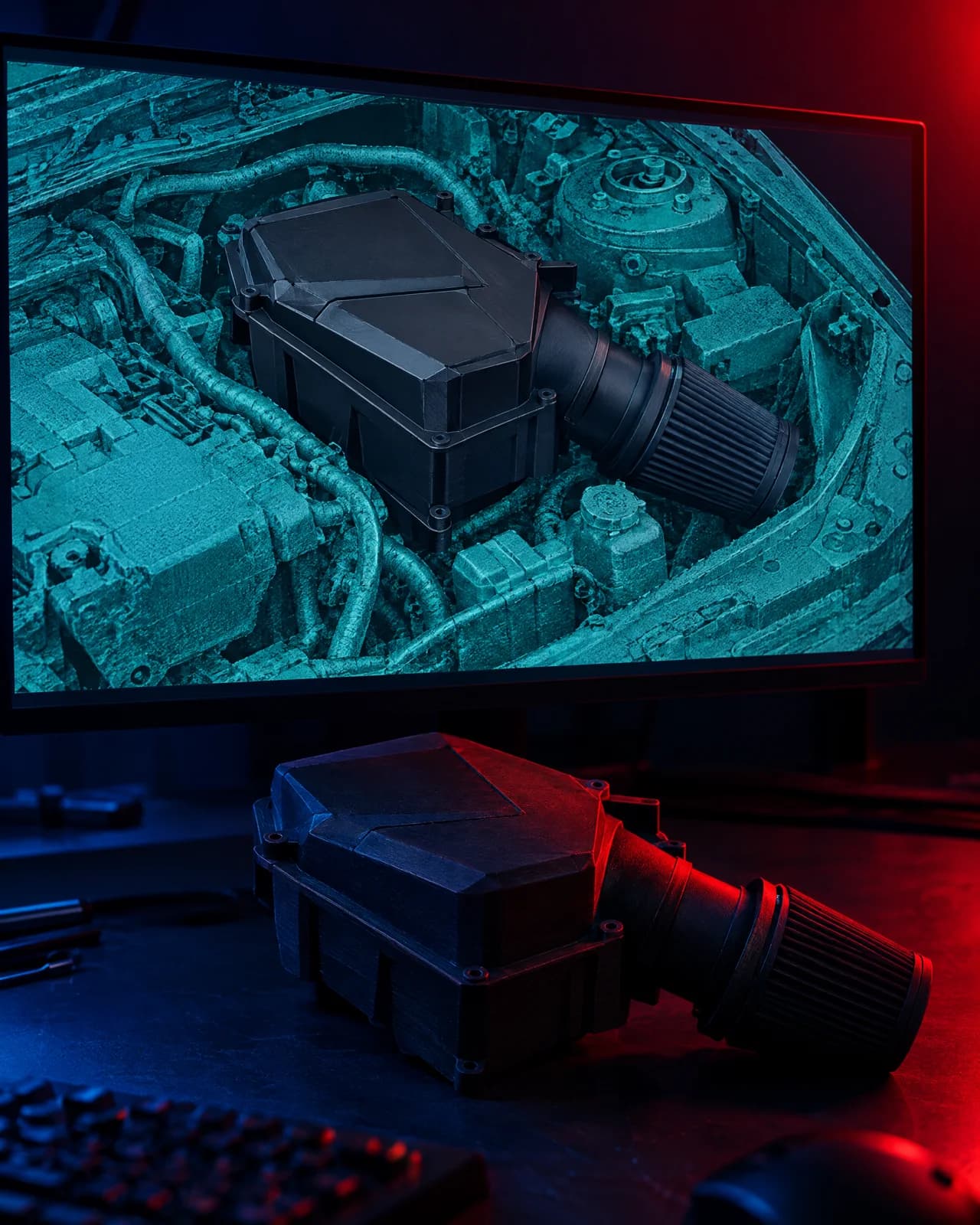
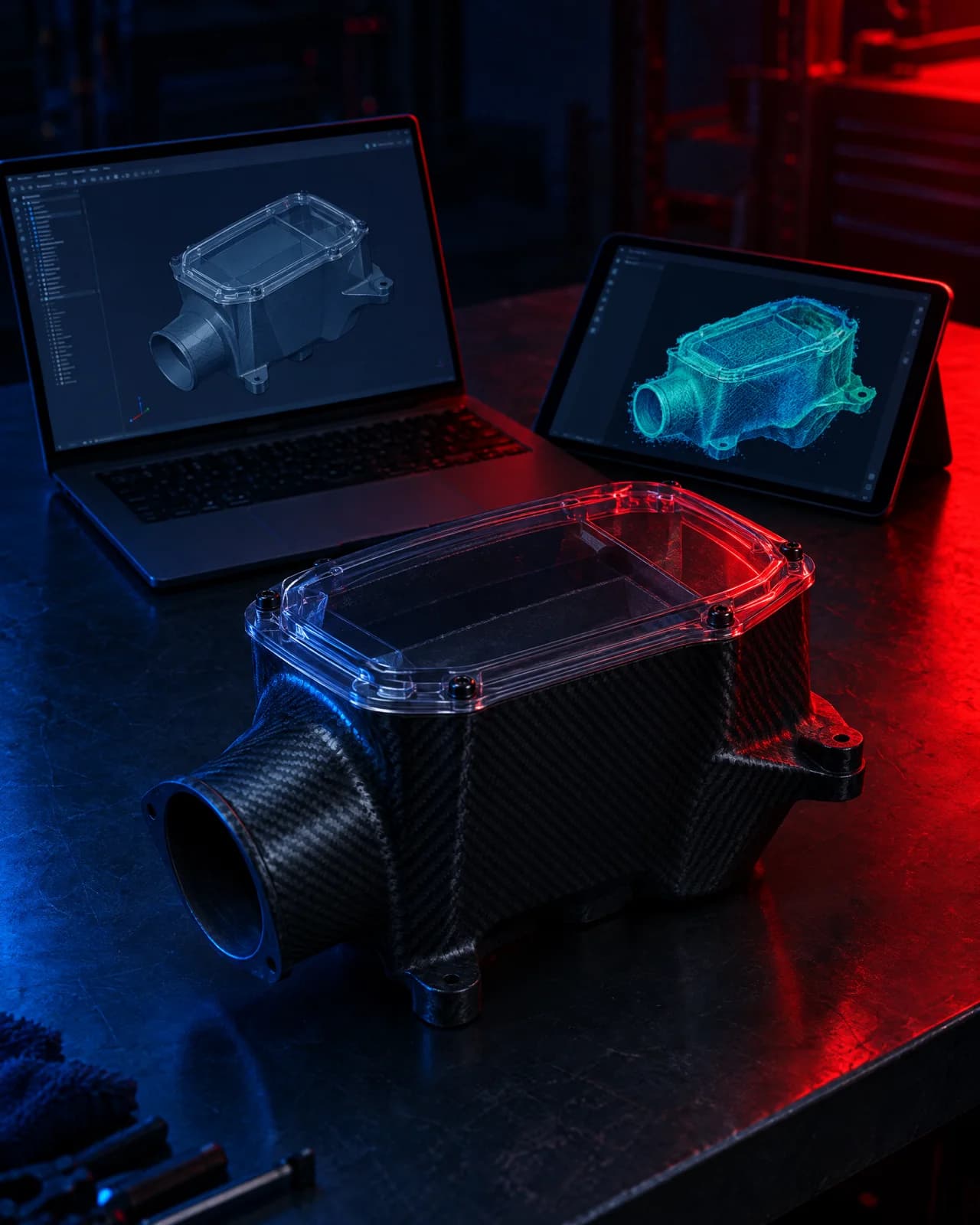
Prototyping is how a design becomes a product without guessing. We print a fit-checkable part quickly, put it on the car, and revise — so by the time anything goes into production it has already been proven.
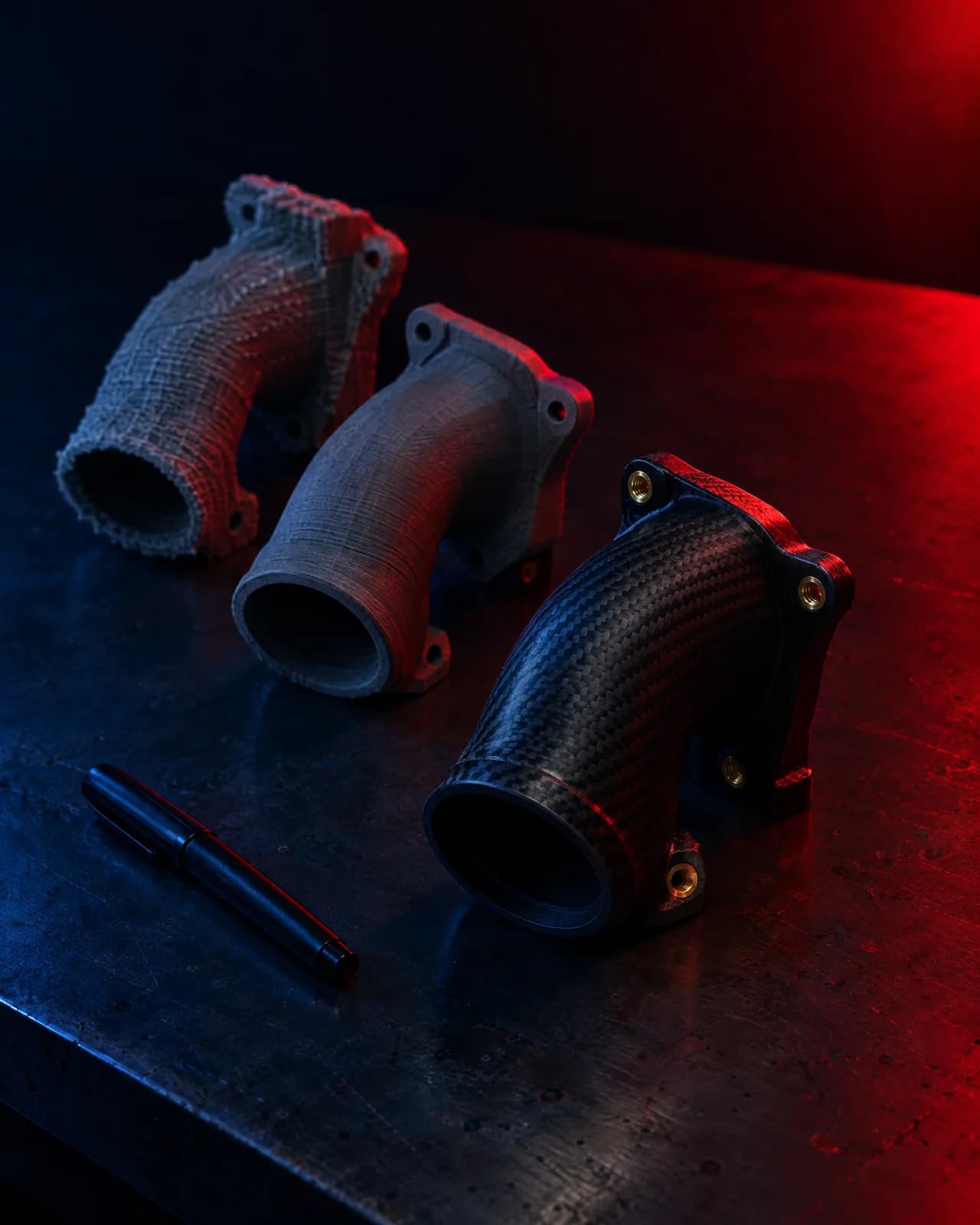
Three iterations of a printed intake part lined up on a bench, each a step closer to finalIterate on the car, not on paper

How it works

What happens, in order.

  1. 01

    Design or file

    Your CAD, or ours from a scan and brief.

  2. 02

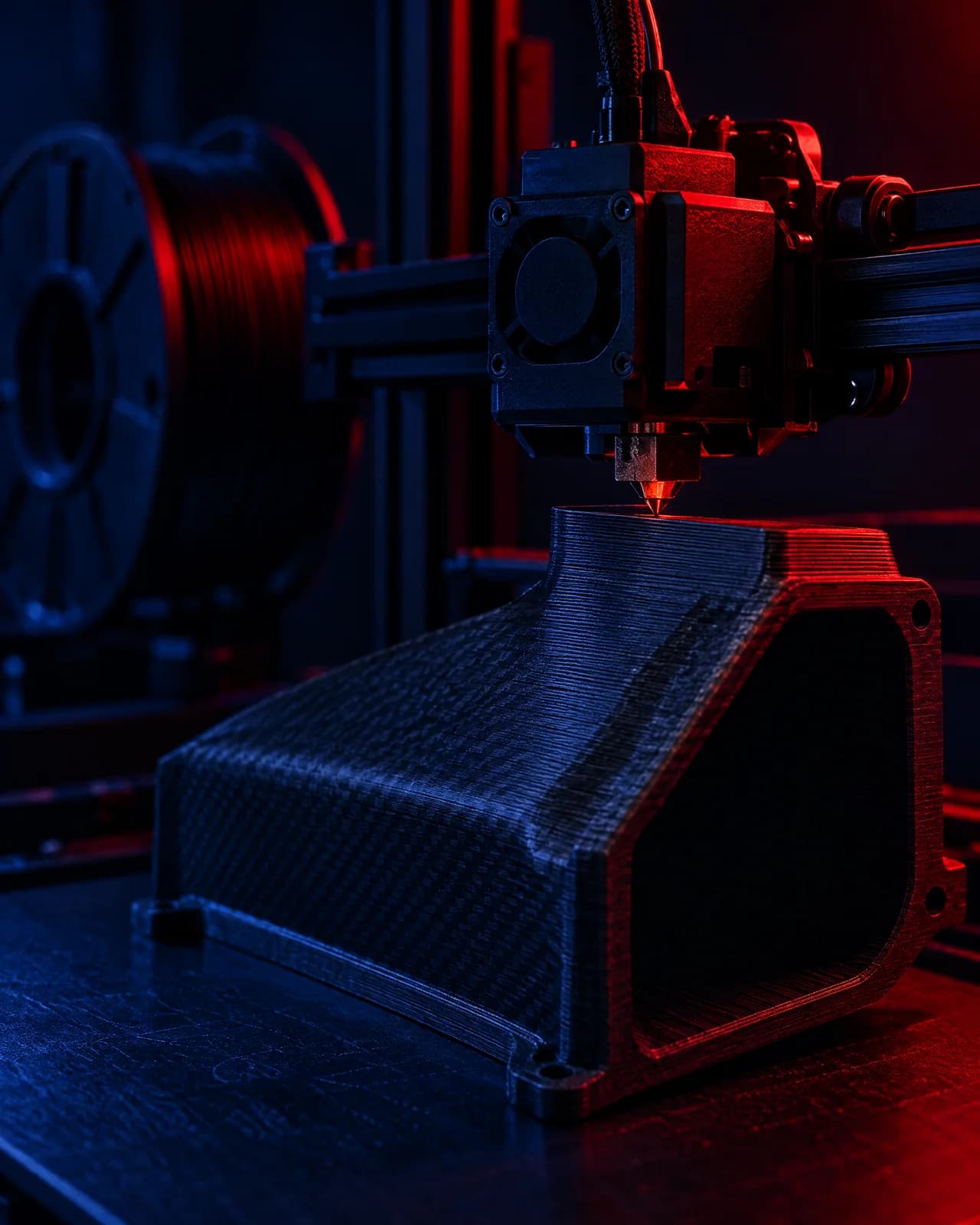
    Prototype print

    Printed in a material appropriate to the check — form and fit first, function-grade when it matters.

  3. 03

    Test fit and review

    On the vehicle or assembly. Clearances, hardware, serviceability.

  4. 04

    Revise, then lock

    Changes go back into CAD. The approved version becomes the production file.
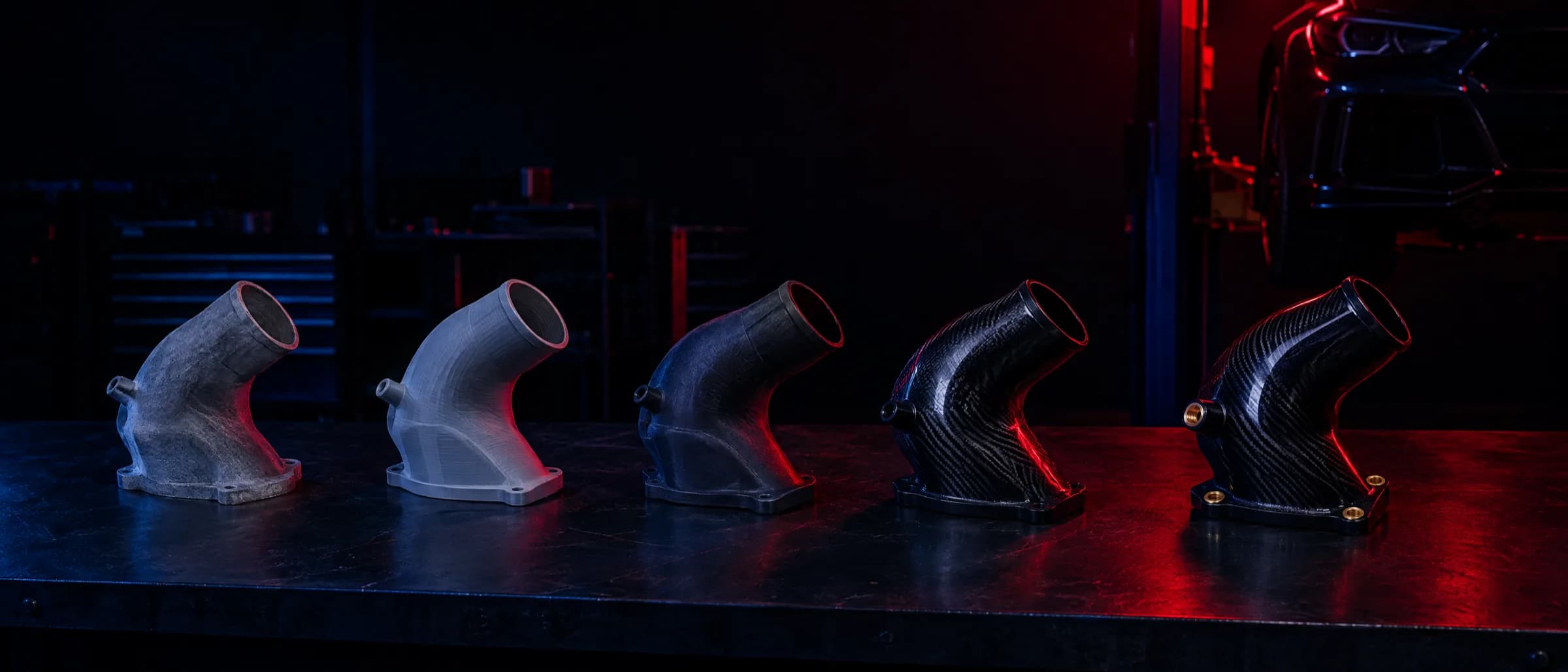
Five iterations of a printed intake pipe lined up from rough draft to finished part

Rapid prototyping

Each one a step closer. Then it’s locked.

Is this the right job for us?

Good fit, and what we’ll point elsewhere.

Good fit

  • New product development — ours or a workshop's
  • Validating a design before committing to metal or a production run
  • Custom fitment on modified vehicles where nothing off the shelf applies
  • Businesses with a concept that needs a working sample to move forward
  • Metal printing, for parts that need to be metal

Not what we’re for

  • Aesthetic-only mock-ups with endless subjective revision rounds
  • Projects with no intention of manufacturing anything afterwards
First part
Typically days from an approved design
Checked on
The actual vehicle or assembly
Materials
Fit-check grade through to final-use PC-CF and nylons
Then
Production here, or your manufacturer with the locked file

Questions

Asked before you ask.

How many iterations does it usually take?
Often one or two. Accurate scanning means the first prototype is usually close, and revisions tend to be refinements — a hose angle, a bracket position — rather than starting over.
Can the prototype be the final part?
Sometimes. If it's printed in the production material and passes the test fit, it can go straight into use. Otherwise the prototype proves the design and the production version follows.
Do you prototype non-automotive products?
Where the job suits our capability — engineered components, housings, fixtures — yes. Ask; we'll tell you quickly if it's a fit.

Next step

Prototype a part.

Send a file or a brief. We'll tell you what the first part will take.