The general range
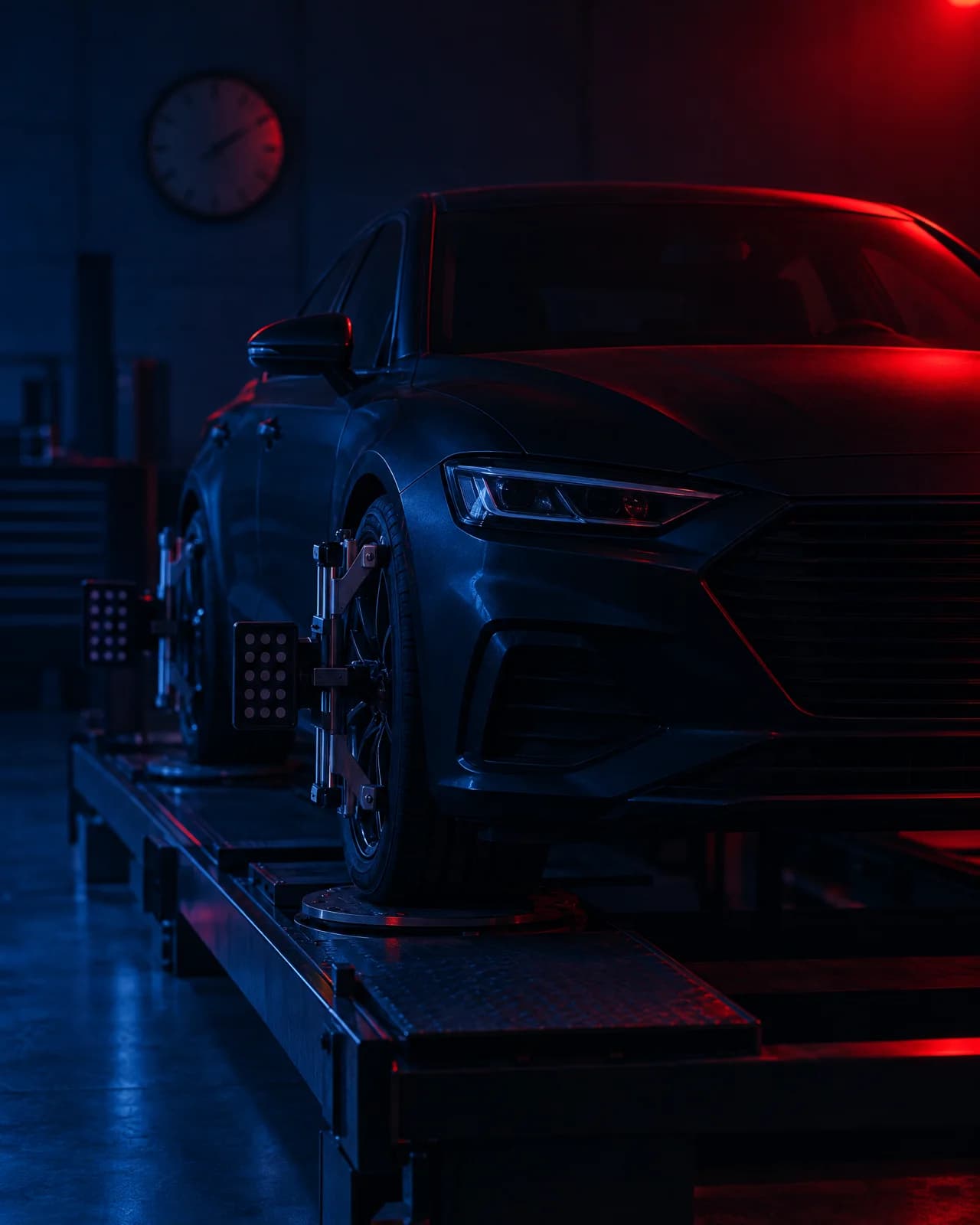
In Australia a standard wheel alignment on an unmodified car generally sits in the low hundreds of dollars, with four-wheel alignments at the upper end of that and front-only at the lower end. Performance alignments to custom settings, and alignments on lowered cars that need adjustable arms or camber bolts fitted first, cost more because they take longer and involve parts. Treat any exact figure you see online as a starting point — the provider quotes the job in front of them.
What moves the price
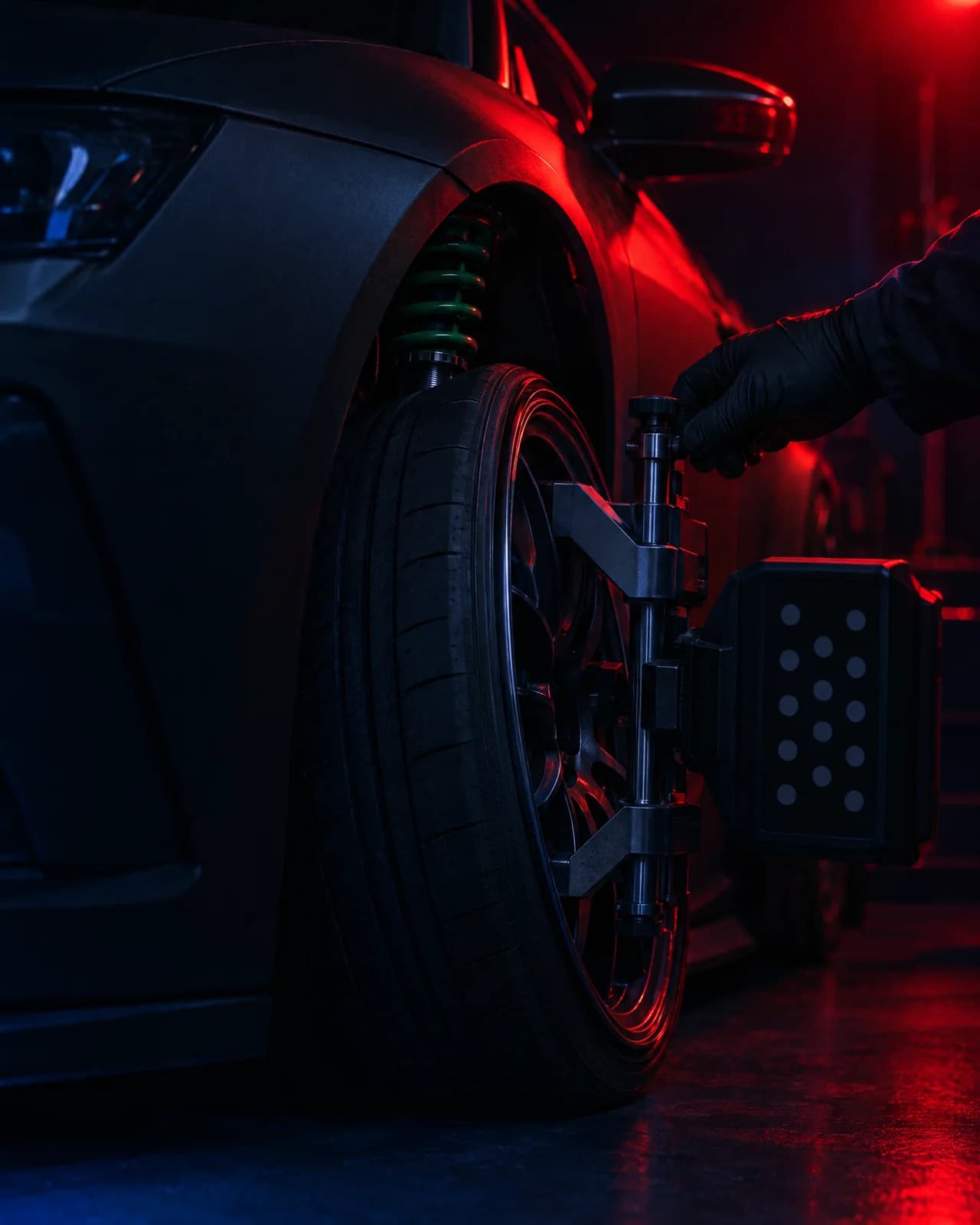
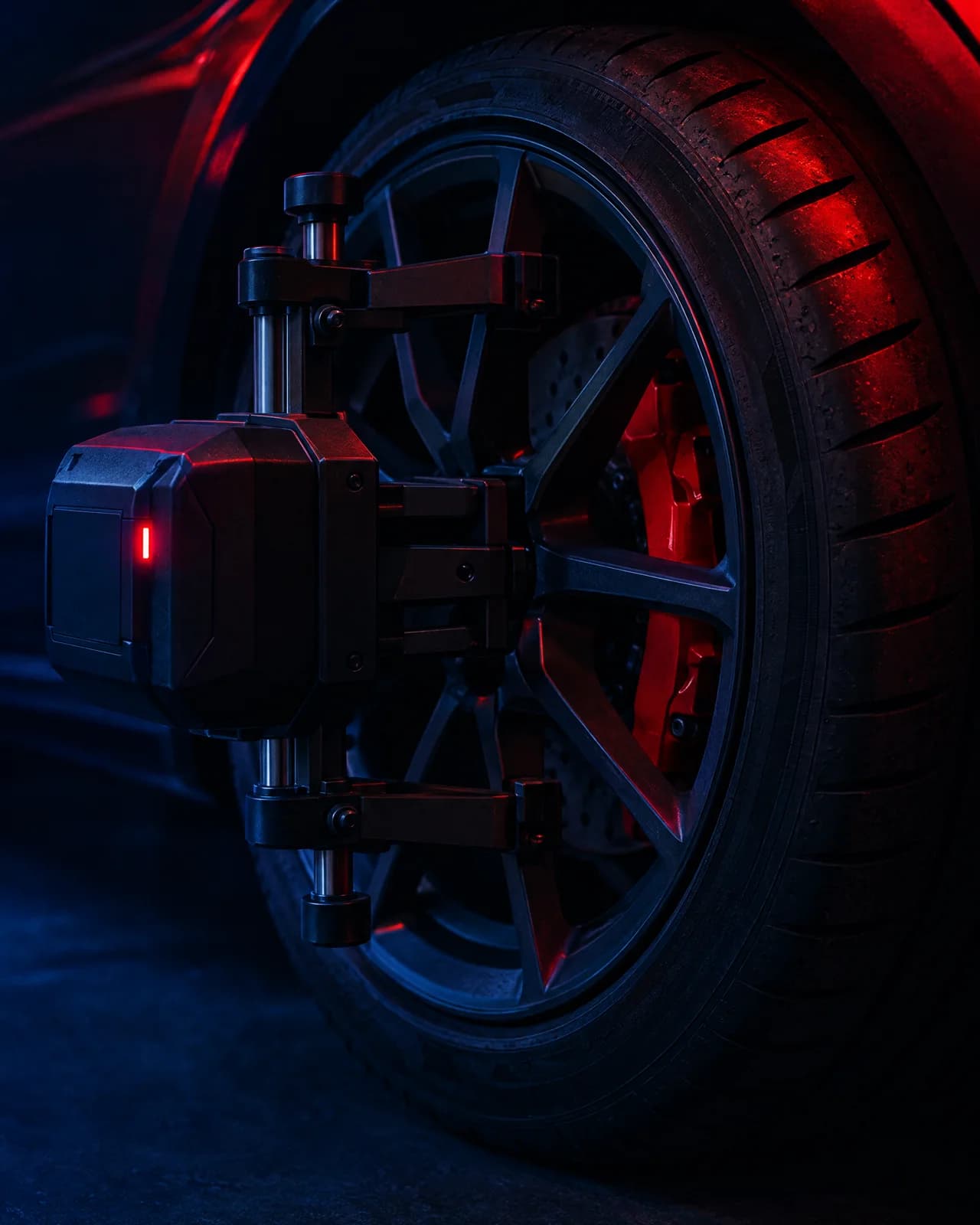
Two-wheel or four-wheel: most modern cars have adjustable rear geometry and should be four-wheel aligned. Whether the car is at factory height: lowered cars often fall outside the factory adjustment range and need camber bolts, adjustable arms or adjustable top mounts before the numbers can be reached. Whether you want factory settings or a performance setup: dialling in a specific camber and toe for how the car is driven is skilled work and priced as such. Seized adjusters on an older car add time.
Where paying more is worth it
On a car with coilovers or lowering springs, always. The geometry has changed, and a quick factory-spec alignment may not even be achievable without adjustable parts — you'll get a printout that says 'out of range' and a car that still eats inside edges. Ask for a provider who understands performance geometry and can fit the parts needed to reach a proper setting.
When alignment is part of a Roccomotive package it's arranged through a trusted provider nearby as part of the job, after the suspension is set up — the right order, so it only has to be done once.
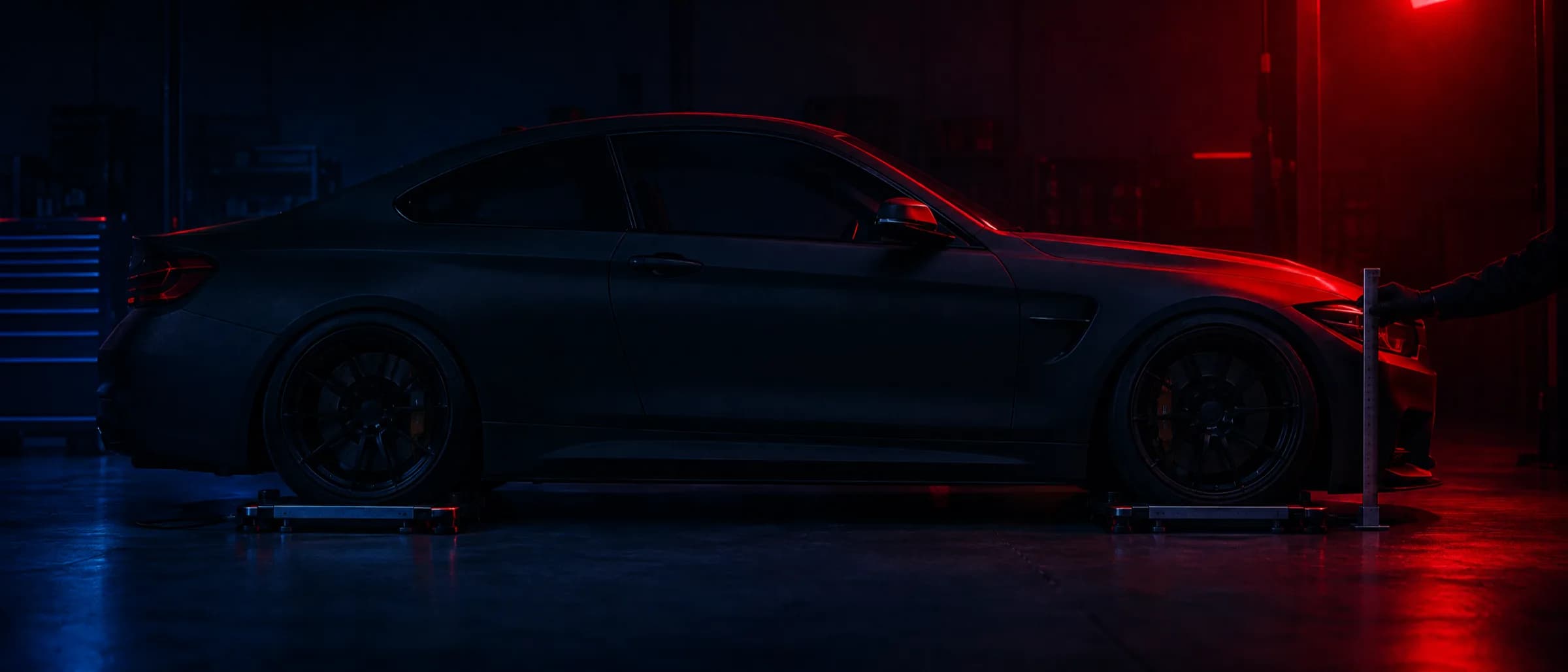
What a good alignment includes
A printout of before and after, with camber, caster and toe for each wheel. The steering wheel centred. An honest note about anything that was out of range and why. If you don't get the printout, ask for it — it's the only way to know what you paid for.